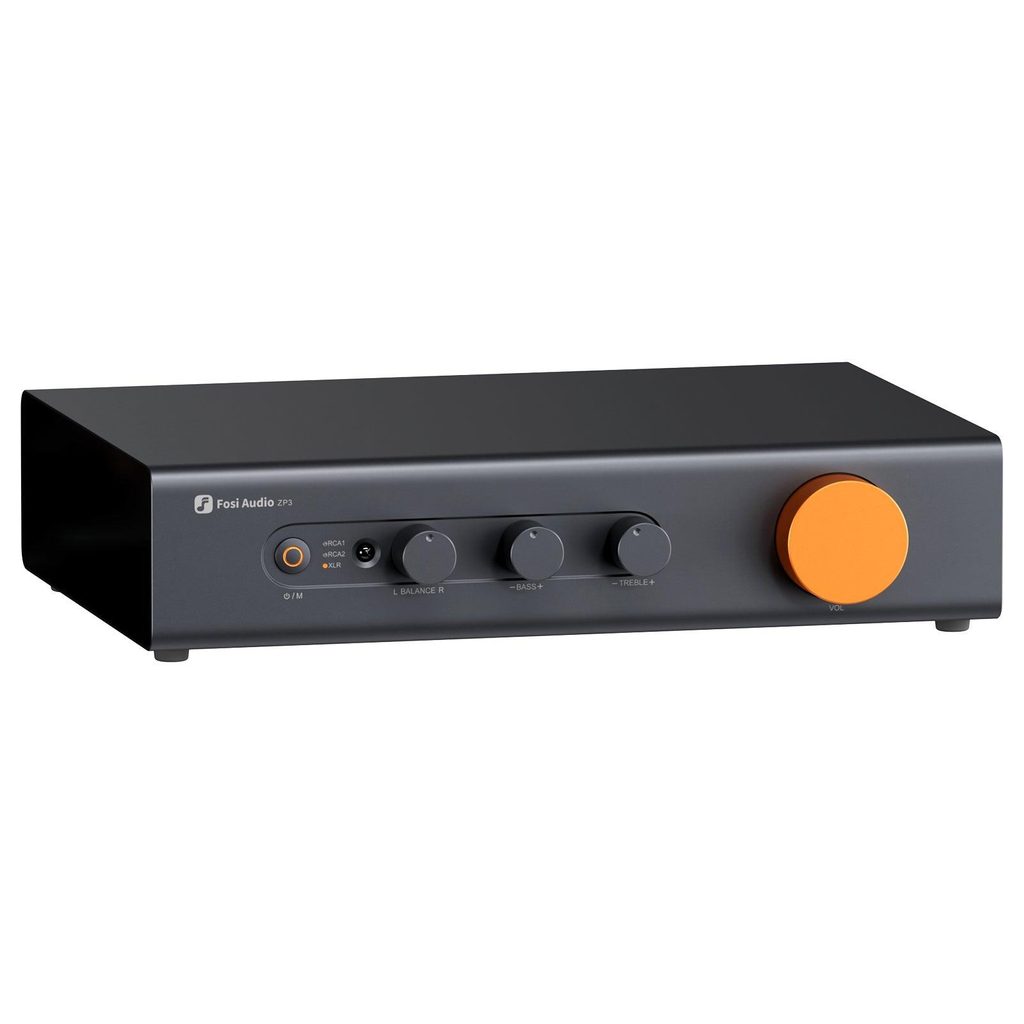
A phono stage does not live alone: it sits between a turntable on one side and speakers on the other, and a good pairing considers both neighbours. Match it only to the turntable and you may miss the speaker side; match it only to the speakers and the cartridge may starve. The good news is that pairing is mostly a matter of three checks, and none of them requires golden ears.
This guide walks those checks in order: the deck, the cartridge, and the room. We will also include a short checklist you can carry into any shop. The principle throughout is balance: a system sounds best when no single component is dramatically better or worse than the rest. The right phono preamplifiers are the ones that disappear between a good deck and good speakers, and the most satisfying phono preamplifiers are the ones you stop thinking about.
Match the Stage to the Deck
Start with the turntable itself. A modest deck with a standard moving magnet cartridge pairs happily with a straightforward stage; there is no need for exotic gain or loading options. A higher-end deck with a moving coil cartridge needs a stage with proper moving coil gain, and buying short here wastes the deck’s quality. The deck sets the ceiling, and the stage should reach it without overshooting your budget.
Also check what the deck already contains. Many turntables include a switchable built-in stage; if yours does and it sounds good, an external box is optional, not essential. If yours has no built-in stage, the external box is mandatory, and choosing it is part of choosing the deck. In both cases, phono preamplifiers should be chosen with the deck in mind, not in isolation.
Cartridge First, Then Stage
Within the deck, the cartridge rules. Its type decides the gain, and its character shapes the sound more than the stage ever will. A bright cartridge may welcome a warmer stage; a warm cartridge may prefer a neutral one. But resist the temptation to use the stage as a tone control: a stage should be accurate, and cartridge choice should do the voicing.
Budget in proportion, too. As a rough guide, a stage costing about the same as the cartridge, or a little less, keeps the system balanced. A stage costing five times the cartridge rarely makes sense, because the cartridge remains the limiting factor. Spend the difference on records or a better stylus, and the system will thank you. That is why experienced listeners choose the cartridge first and let phono preamplifiers follow.
Speakers and Room Size
The speaker side matters through noise and dynamics. Sensitive speakers reveal everything, including a noisy stage, so a high signal-to-noise ratio matters more with efficient speakers. Large rooms and loud listening demand more headroom from the whole chain, while small rooms forgive modest stages. In a small room at moderate volumes, even a basic stage can sound superb, because nothing is stressed.
Room treatment counts as well, though it is rarely mentioned in stage reviews. A bare, echoing room will smear the benefits of any upgrade, while a rug and curtains let a modest system shine. Before upgrading the stage, consider whether the room is the actual bottleneck; the answer is often yes, and rugs are cheaper than electronics. Quiet phono preamplifiers earn their keep most audibly through revealing speakers.
A Simple Pairing Checklist
Carry this list into any shop or listing, and most pairing mistakes disappear.
Run through the list before you pay, and again when the box arrives. If every item checks out, the pairing is sound, and the remaining differences are taste. Trust your ears with a familiar record, and let the checklist handle the engineering. Checklists like this are how good phono preamplifiers get chosen without regret.
- Cartridge type identified: moving magnet or moving coil
- Gain matched: about 40 dB for MM, 60 dB or more for MC
- One stage only in the chain: built-in or external, never both
- Budget balanced: stage in the same class as deck and cartridge
Pairing is balance: deck, cartridge, stage, speakers, and room, none dramatically out of step with the rest. Get the balance right and the system disappears, leaving only the record. That is the whole goal, and it is closer than the catalogues suggest.
Finally, remember that pairing is not a one-time event. Cartridges wear, rooms change, and a future speaker upgrade may reveal noise you never noticed. Revisit the pairing each time a major component changes, and check the same three things: gain matched to the cartridge, one stage only in the chain, and a budget that stays balanced across the system. Systems that get this periodic check age gracefully, while neglected ones drift into mismatch one upgrade at a time. A little attention now and then keeps the music honest for years.

