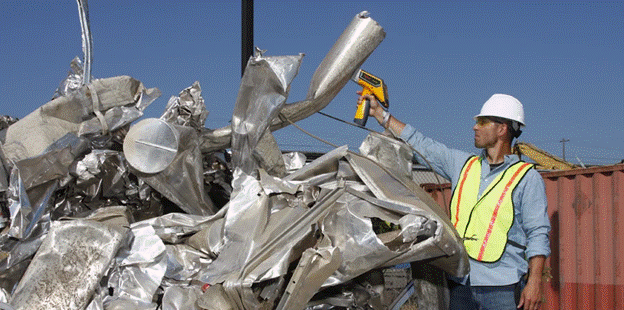
Source: https://www.srsmetals.com.au/wp-content/uploads/2022/04/recycle-img6-902×450-optimized.png
Running a commercial site, a factory, or a construction project means scrap piles up faster than most operators expect. Old fittings, offcuts, damaged machinery, copper wiring, steel framing, aluminium scraps. It all adds up. And the way you handle that pile decides whether you pull in a fair return or quietly bleed money every quarter. Scrap metal removal sounds simple on paper. Call someone; they collect, and you get paid. Real life is messier.
Plenty of businesses lose hundreds, sometimes thousands, of dollars a year because of small mistakes that nobody flags until the damage is done. If you are arranging scrap metal removal for a commercial or construction site, the points below are worth a slow read.
Mixing Ferrous and Non-Ferrous Metals in One Pile
This one trips up almost every new site manager. Ferrous metals like steel and iron go for one price. Non-ferrous metals like copper, brass, aluminium, and lead go for a lot more. Sometimes ten times more, in the case of clean copper.
When you toss everything into a single skip, you lose your ability to negotiate. Buyers grade the load by its weakest component. A few kilos of steel mixed with valuable copper can drag your payout down sharply.
Sort at the source. Even a basic two-bin setup, one for ferrous and one for non-ferrous, makes a real difference at weigh-in.
Holding On to Scrap for Too Long
Some site managers wait until the yard is overflowing before calling anyone. Bad idea, in most cases. Metal prices move week to week. Copper might be sitting at a strong rate this month and dip the next.
You also lose space. That corner of the yard is piling up with offcuts? It is taking up storage you could be using. Worse, exposed metals like steel start rusting, and rust eats into your weight and grade.
A rough rule worth following: review your scrap volume monthly. If it is enough to fill a bin, get it moved.
Assuming Every Collector Pays Fairly
Not every operator weighs your scrap the same way. Some have older equipment. Some grade aggressively in their own favour. A few will quote you a great rate over the phone, then mark down the load on arrival.
Ask these before you book:
- What grading system do you use?
- Are the weights certified?
- Do you provide a written breakdown after pickup?
- What is the current rate per tonne for the metals you have
If the answers feel vague, keep looking. SRS Metals provides clear weighing, transparent grading, and proper documentation for every commercial collection. For pickup enquiries, write to [email protected].
Expecting Pickup for Small Loads
This is perhaps the biggest misconception in the trade. Scrap removal companies that focus on commercial work, including SRS Metals, do not collect small residential quantities. The economics simply do not work. Sending a truck out for a few old appliances or a bag of cans costs more than the load is worth.
If you have a smaller volume, you will need to bring it in yourself. In some cases, hiring a truck or ute to transport the load makes more sense than waiting for a pickup that is never coming. Anyone with a genuinely large residential clearance should call the office first to check if the volume justifies a trip.
For commercial and construction operators, pickup is standard. For everyone else, drop-off is the way.
Ignoring Compliance and Paperwork
Australian scrap metal trading carries real regulatory weight. State laws require identification for transactions, and certain metals like copper attract extra scrutiny because of theft risk. If you are running a worksite and someone shows up offering cash, no records, no ID checks, walk away.
You want a paper trail. Receipts, weight tickets, grading notes. Without them, you have no recourse if a payout looks off, and you may be exposed if questions come up later about where the metal came from.
Not Stripping or Preparing Metals Before Collection
A copper cable with the insulation still on is worth less than bare bright copper. A motor with its steel casing intact grades lower than the copper coil pulled out of it.
You do not need to strip every piece, but if your team has downtime, basic preparation pays off. Even pulling cables apart or separating brass fittings from iron pipes can lift the value of a load.
A Few Last Points Worth Keeping in Mind
Scrap metal is not waste. It is inventory you have not cashed in yet. Treat it that way, and the conversation with your collector changes. You become a supplier, not someone trying to clear a yard.
Keep your loads sorted. Move them on a regular schedule. Work with operators who keep proper records and explain their grading. And if your site generates serious volume, build a long-term relationship with one trusted yard rather than shopping around every quarter.
For commercial scrap metal removal across worksites, factories, and construction projects, SRS Metals handles collection, sorting, and export-grade processing under one roof. Reach out to [email protected] to discuss your site’s needs.


