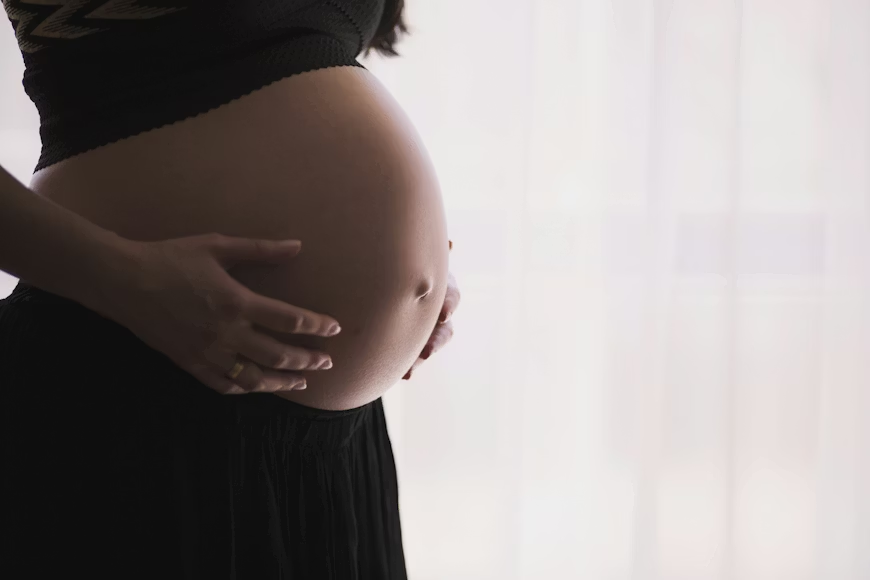
Pregnancy brings profound changes to the body as it adapts to support new life. These changes affect nearly every system, including digestion, immunity, circulation, and hormone regulation. While many shifts are expected and temporary, some individuals notice new or intensified sensitivities during pregnancy that were not present before. One such challenge is histamine sensitivity, which can influence comfort, diet tolerance, and overall wellbeing throughout the expecting months.
Managing histamine sensitivity during pregnancy requires a thoughtful and informed approach. Because pregnancy already involves heightened physiological demand, the body may respond differently to foods, stress, and environmental triggers. Understanding how histamine functions and why sensitivity may increase during pregnancy allows for supportive strategies that prioritize both maternal comfort and nutritional adequacy.
Understanding Histamine and Its Role in the Body
Histamine is a naturally occurring compound involved in immune response, digestion, and communication between cells. It plays a role in protecting the body from perceived threats, regulating stomach acid, and supporting neurotransmitter function. Under normal circumstances, histamine levels rise and fall in response to environmental and internal signals.
The body relies on enzymes to break down excess histamine once it has served its purpose. When production and breakdown remain balanced, histamine activity goes largely unnoticed. However, when this balance is disrupted, histamine can accumulate faster than it is cleared, leading to sensitivity symptoms.
Histamine sensitivity does not mean the body produces histamine incorrectly. Rather, it reflects an imbalance between histamine intake, production, and degradation. During pregnancy, multiple factors can shift this balance, increasing vulnerability even in those without a prior history of sensitivity.
Why Pregnancy Can Increase Histamine Sensitivity
Hormonal fluctuations are one of the primary reasons histamine sensitivity may arise or intensify during pregnancy. Estrogen influences histamine release and can increase its effects within tissues. As estrogen levels rise throughout pregnancy, histamine tolerance thresholds may change.
The immune system also undergoes modulation during pregnancy to support fetal development. This adjusted immune state can alter inflammatory signaling, including histamine activity. As a result, reactions to foods or environmental triggers may feel stronger or more frequent.
Digestive changes further contribute to histamine sensitivity. Slower digestion, altered gut bacteria, and increased intestinal permeability can affect how histamine is absorbed and processed. When digestion slows, histamine rich foods may remain in the gut longer, increasing exposure.
Additionally, pregnancy increases overall nutrient demands. If key nutrients involved in histamine metabolism become depleted, the body’s ability to clear histamine efficiently may be reduced. These combined factors create a unique environment where sensitivity becomes more noticeable.
Common Signs of Histamine Sensitivity During Pregnancy
Histamine sensitivity presents differently for each individual, but certain patterns are commonly reported during pregnancy. Skin reactions such as flushing, itching, or hives may occur after meals or during times of stress. Digestive symptoms can include bloating, nausea, abdominal discomfort, or changes in bowel habits.
While managing histamine-related symptoms often involves dietary adjustments and lifestyle changes, it is also important to maintain overall skin health, particularly if sensitivities lead to irritation or scratching. Products such as Hexomedine Transcutaneous 0.015% solution are commonly used as topical antiseptics for minor skin concerns and should be used according to the manufacturer’s instructions or guidance from a healthcare professional.
Respiratory symptoms may also appear, including nasal congestion, post nasal drip, or sinus pressure without clear infection. Some individuals experience headaches, dizziness, or heart palpitations that seem unrelated to blood pressure or hydration status.
Emotionally, histamine sensitivity can influence mood stability and sleep quality. Histamine acts as a stimulant in the brain, so elevated levels may interfere with rest or contribute to feelings of restlessness and irritability. Recognizing these signs helps distinguish histamine related discomfort from other pregnancy related changes.
The Importance of Supporting Histamine Breakdown
Effective histamine management relies on supporting the body’s natural breakdown pathways. One of the key enzymes involved in this process works primarily in the digestive tract, helping to clear histamine consumed through food.
During pregnancy, the demand for this enzymatic activity may increase due to higher histamine exposure and altered metabolism. When breakdown capacity is exceeded, symptoms are more likely to appear. This understanding has led to increased discussion around targeted support options that align with pregnancy physiology.
In clinical and educational contexts, the topic of DAO supplement pregnancy may arise when exploring digestive enzyme support during histamine sensitive periods. The focus in these conversations is typically on understanding digestive efficiency and individual tolerance rather than blanket solutions. Any nutritional or supplemental consideration during pregnancy should always be evaluated carefully and in partnership with a qualified healthcare provider.
Dietary Considerations for Histamine Sensitivity
Diet plays a central role in managing histamine sensitivity during the expecting months. Histamine content varies widely among foods, and tolerance can shift throughout pregnancy. Freshly prepared foods tend to contain lower histamine levels than aged, fermented, or preserved options.
Protein foods deserve special attention, as histamine levels increase as foods age. Choosing the freshest possible meats and preparing them promptly helps minimize exposure. Freezing portions immediately after cooking can also support lower histamine intake.
Fruits and vegetables generally support pregnancy nutrition, but individual reactions may vary. Paying attention to how the body responds rather than following rigid lists encourages flexibility and adequate nutrient intake. Keeping meals simple and rotating foods helps reduce cumulative histamine load.
Hydration and balanced meals also support digestion and nutrient absorption, indirectly influencing histamine tolerance. Skipping meals or overly restricting food groups can increase stress on the body and worsen symptoms.
Stress, Sleep, and Lifestyle Influences
Lifestyle factors significantly affect histamine sensitivity, particularly during pregnancy. Stress increases histamine release and reduces the efficiency of breakdown pathways. Emotional stress, physical fatigue, and sensory overload can all amplify symptoms.
Sleep quality influences histamine regulation as well. Histamine promotes wakefulness, and elevated levels may interfere with restful sleep. In turn, poor sleep increases inflammatory signaling, creating a feedback loop that heightens sensitivity.
Gentle movement supports circulation and reduces stress hormones. Activities such as walking, prenatal stretching, or breathing exercises promote nervous system balance without overstimulation. Creating predictable routines helps the body adapt to daily demands more efficiently.
Environmental exposures also matter. Strong fragrances, cleaning products, or allergens may trigger histamine responses during pregnancy. Reducing unnecessary exposures where possible can lessen the overall histamine burden.
Nutrient Support for Histamine Balance
Certain nutrients play supportive roles in histamine metabolism and immune regulation. Adequate intake of vitamins and minerals helps the body maintain enzymatic function during periods of increased demand. Pregnancy naturally draws on nutrient reserves, making balanced nutrition especially important.
Digestive health remains foundational. Supporting gut integrity improves nutrient absorption and regulates immune signaling within the digestive tract. This support often comes from a combination of whole foods, adequate fiber, and consistent meal timing.
Avoiding extremes is key. Overly restrictive diets or excessive supplementation can introduce new stressors. The goal during pregnancy is balance, prioritizing nourishment and comfort rather than chasing symptom elimination at the expense of overall health.
Working With Healthcare Professionals
Histamine sensitivity during pregnancy should be addressed collaboratively. Obstetric providers, dietitians, or nutrition focused clinicians can help evaluate symptoms within the broader context of pregnancy health. This ensures that symptom management does not compromise nutritional adequacy or maternal well being.
Open communication allows for individualized strategies that adapt as pregnancy progresses. Because tolerance levels may change from trimester to trimester, flexibility is essential. What feels supportive early in pregnancy may require adjustment later on.
Professional guidance is particularly important when considering enzymes, supplements, or elimination strategies. Pregnancy introduces variables that warrant careful consideration, emphasizing safety alongside symptom support.
Conclusion
Histamine sensitivity during the expecting months can add complexity to an already dynamic period of life. Hormonal changes, digestive shifts, and increased nutrient demands all influence how the body responds to histamine. While these sensitivities can feel disruptive, they are often manageable with informed, supportive strategies.
By understanding histamine’s role and addressing contributing factors such as diet, stress, and digestion, expecting individuals can navigate this sensitivity with greater confidence. A balanced, compassionate approach that prioritizes nourishment and individualized care supports comfort throughout pregnancy while honoring the body’s remarkable adaptability.

